
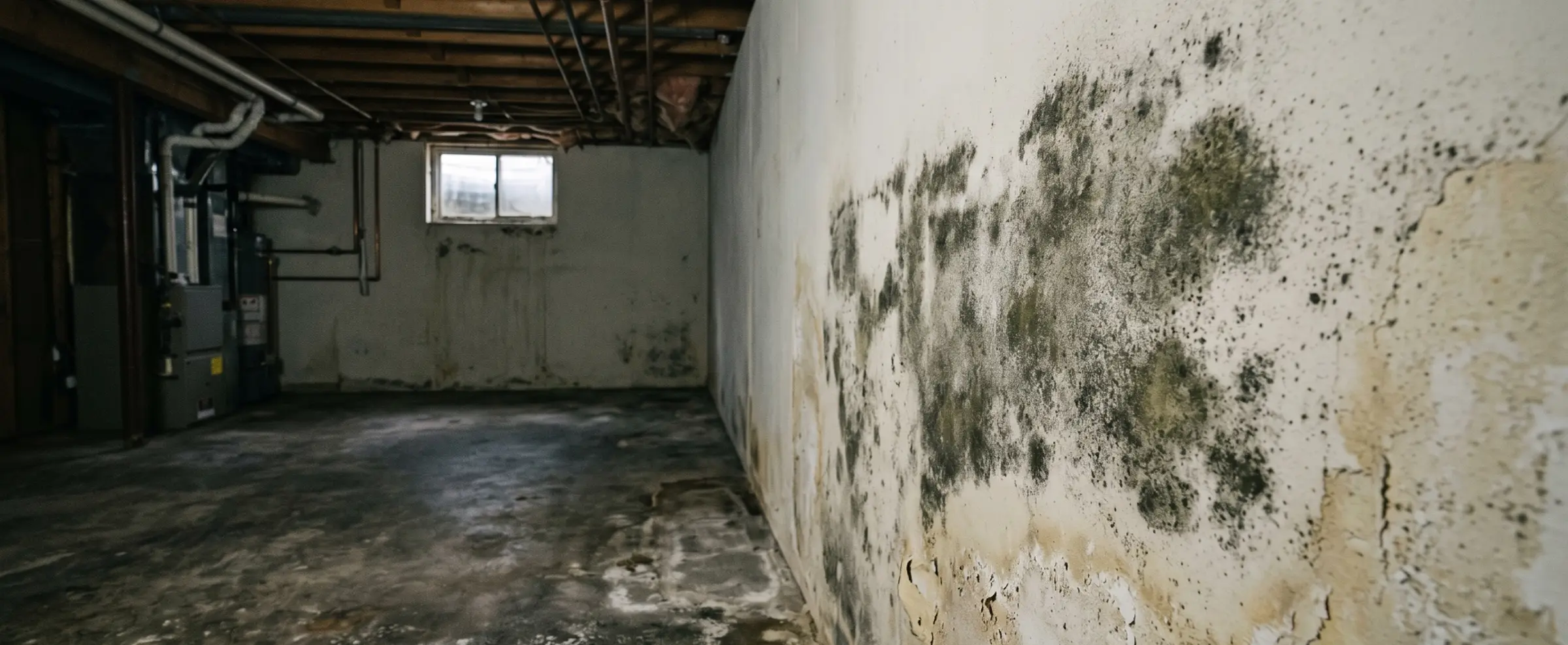

You found something growing in your home, and lab results or a mold inspector has flagged Aspergillus. Now you need real answers: how dangerous is it, which species you're dealing with, and whether your household can handle removal or needs a professional. This guide covers all of it with data from the CDC, EPA, NIOSH, and the ANSI/IICRC S520 standard.
Aspergillus is a genus of more than 250 filamentous fungi species that the CDC classifies as a common indoor and outdoor mold capable of causing aspergillosis, a spectrum of diseases ranging from allergic reactions to life-threatening lung infections, particularly in people with weakened immune systems.
Key insights
- 40 species can infect humans. The CDC identifies roughly 40 of Aspergillus's 250+ species as capable of causing infection, with A. fumigatus responsible for more cases than any other.
- Low-moisture tolerance sets it apart. Several Aspergillus species can colonize dust, insulation, and dry building materials where other molds cannot survive.
- Immune status is the key variable. Most healthy adults breathe Aspergillus spores daily without illness. Immunocompromised individuals, people with asthma, and those with chronic lung disease face significantly higher risk.
- HVAC systems accelerate spread. Aspergillus that establishes in ductwork or on cooling coils can distribute spores to every room simultaneously.
- Removal cost runs $700 to $6,000 for most residential jobs, with HVAC involvement and multi-room contamination pushing costs higher.
- Clearance testing matters here. Because Aspergillus spores are microscopic and airborne, visual confirmation that growth is gone is not sufficient. Post-remediation air sampling confirms spore levels have returned to outdoor baseline.
What is Aspergillus mold?
Aspergillus is a genus of filamentous fungi comprising more than 250 identified species. The CDC identifies roughly 40 of those species as capable of causing human infection, with A. fumigatus responsible for more infections than any other.
What distinguishes Aspergillus from most household molds is moisture tolerance. Molds like Stachybotrys chartarum strictly require sustained wet conditions to grow. Aspergillus includes species that can colonize low-humidity environments, including dust accumulations in HVAC systems, stored building materials, insulation, and even food. That tolerance makes it one of the most widely distributed mold genera on Earth and one of the more difficult to prevent through moisture control alone.
Aspergillus species found indoors
Several Aspergillus species appear regularly in indoor environments, but they differ significantly in appearance, preferred substrate, mycotoxin production, and clinical risk. Lab identification is required to determine which species is present.
 Coloring alone can't distinguish which of the five species is present here; A. fumigatus and A. niger can look similar enough on drywall that lab identification is the only reliable confirmation.
The five species below account for the majority of clinically significant indoor Aspergillus finds in the United States. A. fumigatus and A. flavus carry the highest infection risk. A. versicolor and A. niger are far more common but typically cause less severe illness in healthy adults. A. terreus is notable for being resistant to amphotericin B, one of the main antifungal treatments, which complicates cases where it causes invasive disease.
| Species | Appearance | Typical locations | Mycotoxins | Health category |
|---|---|---|---|---|
| A. fumigatus | Blue-green to gray, woolly | HVAC ducts, compost, soil, damp insulation | Gliotoxin, fumitremorgen | High risk; most common cause of invasive aspergillosis |
| A. niger | Black surface, white or yellow underneath | Damp walls, bathroom tiles, food, soil | Ochratoxin A | Moderate risk; causes ear infections, respiratory issues |
| A. flavus | Olive-green to yellow | Stored grains, nuts, water-damaged materials | Aflatoxin B1 (carcinogenic) | High risk; second most common invasive species |
| A. versicolor | Cream to green or teal | Dust, wallboard, ceiling tiles, insulation | Sterigmatocystin | Moderate risk; common in water-damaged buildings |
| A. terreus | Cinnamon to tan | Soil, decaying plant matter, damp substrates | Citrinin, patulin | Moderate risk; resistant to some antifungals |
A. fumigatus is the species most relevant to human health. Its small spore size (2–3 micrometers) allows deep penetration into the lungs. People who handle or are repeatedly exposed to A. fumigatus can develop hypersensitivity, leading to progressively stronger allergic reactions over time.
A. flavus produces aflatoxin B1, classified by the International Agency for Research on Cancer as a Group 1 carcinogen. While aflatoxin exposure is more commonly associated with contaminated food, indoor colonies on water-damaged materials can also produce this toxin.
A. versicolor is among the most common molds found in dust samples from water-damaged buildings. It produces sterigmatocystin, a hepatotoxic and carcinogenic mycotoxin, and generates microbial volatile organic compounds (MVOCs) that contribute to the musty odors homeowners often first notice as signs of mold.
Where Aspergillus grows in your home
Aspergillus most commonly grows in HVAC ducts, insulation, drywall, ceiling tiles, settled dust, potted plant soil, and around windows and bathroom fixtures. Because several species tolerate low moisture, it can establish in areas that would not support other molds, with no visible water damage required.
HVAC systems and ductwork
HVAC systems are among the highest-risk locations for Aspergillus in a home. Cooling coil fins collect condensation, duct liners accumulate dust and skin cells, and the system circulates air continuously, spreading spores throughout every room. HVAC involvement is a strong indicator that professional remediation is needed rather than surface cleaning. The component-by-component scope of HVAC mold work, including duct liner replacement criteria and NADCA standards, is covered in depth elsewhere on this site.
Insulation and building materials
Fiberglass batt insulation, ceiling tiles, wallboard paper, and manufactured wood products all provide organic material Aspergillus can consume. A. versicolor is particularly common in water-damaged wallboard and insulation. Growth on these porous materials cannot be cleaned. Affected materials must be removed and replaced.
 A. versicolor is particularly common on insulation like this, and once established the material can't be cleaned; it has to come out and get replaced.
Dust accumulations
Unlike most molds, Aspergillus can establish in settled dust without surface moisture. Disturbing dust during renovation or cleaning projects can release spores and temporarily spike airborne counts. This is why dust management during any renovation in a building with known mold history is part of the IICRC S520 protocol.
Around windows, doors, and bathroom fixtures
Aspergillus niger specifically colonizes areas with intermittent rather than persistent moisture, including window frames, bathroom grout, and caulk lines. It appears as black spots that can be confused with mildew or Stachybotrys. Lab testing is the only reliable way to distinguish species.
Potted plant soil and stored organic materials
Potted plant soil is a natural Aspergillus habitat. Stored grains, spices, dried foods, and compost bins near the home can all harbor colonies and serve as ongoing spore sources that re-contaminate indoor air.
Health risks of Aspergillus exposure
Aspergillus exposure produces a spectrum of outcomes, and immune status is the primary factor determining severity. The CDC states that most people breathe Aspergillus spores daily without developing illness. But for defined high-risk groups, exposure can escalate from allergic symptoms to life-threatening infection.
 Most healthy adults breathe Aspergillus spores like this daily without symptoms; the same exposure carries meaningfully higher risk for anyone immunocompromised or with pre-existing lung disease.
The three main mechanisms of harm are allergic sensitization, where the immune system overreacts to spore proteins; non-allergic irritation from spores and MVOCs; and direct infection, where fungal hyphae invade tissue in immunocompromised hosts. Mycotoxin exposure adds a fourth pathway when specific species produce toxins on the affected substrate. Readers researching whether mold is dangerous will find clinical risk depth by population and species, including IOM and WHO citations, covered at length.
Types of aspergillosis
Aspergillosis is not a single disease. The CDC and Mayo Clinic describe six distinct clinical presentations. The CDC's aspergillosis resource notes that milder allergic forms are more common than invasive infection, and that azole-resistant A. fumigatus is an emerging concern with significantly higher mortality.
Allergic bronchopulmonary aspergillosis (ABPA) occurs in people with asthma or cystic fibrosis who develop an allergic reaction to Aspergillus in the airways. Symptoms include worsening asthma, coughing that produces brown mucus plugs, and recurring lung infiltrates on imaging. ABPA affects an estimated 1%–2% of all asthma patients. The full asthma-specific mechanism, biologic treatment options, and environmental control framework are covered under mold and asthma.
Allergic Aspergillus sinusitis presents like a chronic sinus infection with nasal congestion, headache, and thick nasal discharge, but does not resolve with standard antibiotic treatment.
Aspergilloma forms when fungal fibers colonize a pre-existing air cavity in the lung, such as one caused by tuberculosis or emphysema. The mass can cause mild coughing at first and progresses to coughing blood in severe cases.
Chronic pulmonary aspergillosis is a long-term respiratory illness caused by ongoing Aspergillus exposure that gradually destroys lung tissue. It develops most often in people with pre-existing lung conditions.
Invasive aspergillosis is the most serious form. It occurs when the infection spreads from the lungs to blood vessels and other organs. The CDC notes that people with severely weakened immune systems from chemotherapy, organ transplants, or leukemia face the highest risk. Mortality rates for invasive aspergillosis are high even with treatment.
Cutaneous aspergillosis is a skin infection that develops at wound sites or points of medical device entry, primarily in hospitalized patients.
High-risk populations
| Population | Primary risk | Why risk is elevated |
|---|---|---|
| Organ transplant recipients | Invasive aspergillosis | Immunosuppressive medications reduce fungal defense |
| Chemotherapy patients | Invasive aspergillosis | Low white blood cell counts |
| HIV/AIDS patients | Invasive and chronic pulmonary | Reduced CD4+ cell counts |
| People with asthma or cystic fibrosis | ABPA | Airway colonization and hypersensitivity |
| Corticosteroid users | All forms | Systemic immune suppression |
| People with TB or emphysema | Aspergilloma | Pre-existing lung cavities |
| Healthy adults | Allergic irritation | Low but present; dose-dependent |
Aspergillus mold symptoms by population
Symptoms depend heavily on which species is present, how long exposure has occurred, and the health of the person exposed. Symptoms that worsen at home and improve when away suggest indoor mold exposure rather than seasonal allergies.
 The threshold for seeking medical attention shifts significantly lower here than for a healthy adult with the same symptoms, given age-related immune decline.
The table below organizes symptoms by population group. Healthy adults occupy the low end of the risk spectrum. The threshold for medical attention shifts significantly downward for anyone with asthma, chronic lung disease, or a compromised immune system.
| Population | Common symptoms | Serious symptoms requiring medical attention |
|---|---|---|
| Healthy adults | Mild cough, nasal congestion, sneezing, skin or eye irritation | Persistent cough lasting more than 3 weeks |
| Asthma or cystic fibrosis | Worsening asthma control, brown mucus plugs, fatigue | ABPA diagnosis: recurrent lung infiltrates, blood tests showing elevated IgE |
| Weakened immune system | Fever, cough, shortness of breath | Hemoptysis (coughing blood), chest pain, rapid deterioration |
| Chronic lung disease | Worsening breathlessness, fatigue | New cavities on imaging, weight loss |
Confirmed mold exposure symptoms include a full onset timeline and diagnostic pathway, with skin prick testing and IgE blood testing specific to Aspergillus sensitization covered at clinical depth.
How to identify Aspergillus mold
Aspergillus mold typically appears as a fuzzy or powdery growth that starts white or gray and shifts to green, yellow, brown, or black as the colony matures, depending on species. Visual identification can narrow the likely species but cannot confirm it. The only reliable identification method is laboratory analysis of an air or surface sample collected by a certified mold inspector.
 A flashlight inspection like this can narrow the likely species by texture and color, but it can't confirm one; only lab analysis of a collected sample does that.
Visual identification by species
- A. fumigatus: Fuzzy blue-green to gray colonies, powdery texture as spores mature. Common in HVAC areas and humid basements.
- A. niger: Black surface growth with white or yellow underneath. Often confused with black mold (Stachybotrys) but has a drier, powdery texture rather than a slimy surface.
- A. flavus: Olive-green to yellow-green, granular surface. Common on stored organic materials.
- A. versicolor: Cream to gray-green or teal, slow-growing, often in thin films on wallboard and ceiling tiles.
Field test for Aspergillus vs. Stachybotrys
If you see black growth and want a rough preliminary distinction: Stachybotrys chartarum requires sustained high moisture (water-damaged drywall held at high humidity for weeks) and has a slimy, wet texture. A. niger tolerates drier conditions and has a dry, powdery or granular texture. Neither field test replaces lab analysis. The bleach spot-test method and odor-based identification across more species and locations are covered elsewhere on this site.
When to test
Test rather than assume when:
- A mold inspection has identified potential Aspergillus growth and the inspector wants species confirmation before writing a remediation scope
- A household member has symptoms consistent with ABPA or aspergillosis
- Post-remediation clearance is needed to confirm spore levels have returned to baseline
- Water damage has occurred and the affected substrate includes HVAC components or insulation
Air sampling and surface sampling methods, including how to read lab results and interpret spore counts, are explained under mold testing.
DIY removal vs. professional remediation
The EPA's 10-square-foot threshold applies to Aspergillus as it does to other mold types. Growth under 10 square feet on a non-porous surface where the moisture source is fixed may be addressable with proper PPE and cleaning products. Growth beyond that threshold, on porous materials, or in HVAC systems requires professional remediation per the IICRC S520 standard.
 This scope only holds if the substrate is non-porous and no one immunocompromised lives in the home; either condition failing pushes the job into professional territory regardless of patch size.
Several Aspergillus-specific conditions push the decision toward professional remediation regardless of patch size:
- Any immunocompromised person lives in or regularly visits the home
- Growth is present in HVAC systems or ductwork
- The affected substrate is porous (drywall, insulation, ceiling tiles, carpet backing)
- Species identification is unavailable and the growth is black (cannot distinguish A. niger from Stachybotrys without testing)
- Symptoms consistent with aspergillosis have appeared in a household member
A full decision framework for when mold remediation is required, including the EPA 10-square-foot threshold and contamination level classifications, covers the decision in more detail. For jobs that do fall within DIY scope, the nine-step process, PPE requirements, and surface-by-surface cleaning table are covered separately.
How Aspergillus mold is removed
Aspergillus mold is removed following the ANSI/IICRC S520 standard: containment with negative air pressure, HEPA filtration, removal of porous materials, non-porous surface cleaning, and post-remediation air sampling to confirm spore counts have returned to outdoor baseline.
 Spores this small, 2 to 4 micrometers, stay airborne far longer than heavier-spored molds, which is why continuous HEPA filtration matters more here than on many other remediation jobs.
A 2006 review in Medical Mycology notes that Aspergillus colonization of porous materials typically requires removal rather than surface cleaning alone, and that dust control is a critical component of management since disturbing accumulated dusts during renovation significantly elevates spore exposure. The process does not differ fundamentally from remediation of other mold types, but HVAC involvement and the need for post-remediation clearance testing are particularly important given Aspergillus's airborne spread pattern.
1. Inspection and moisture source identification
A certified mold remediator (IICRC AMRT credential) identifies the extent of growth, the moisture source driving it, and whether HVAC systems are involved. The moisture source must be corrected before any cleaning begins or the mold will return.
2. Containment setup
The affected area is isolated with 6-mil polyethylene sheeting. Negative air pressure is established using HEPA-filtered negative air machines so that air flows into the work zone rather than out. This prevents spore distribution to unaffected areas during disturbance.
3. HEPA air filtration
HEPA air scrubbers run continuously during remediation to capture airborne spores. Because Aspergillus spores are small (2–4 micrometers) and remain airborne for extended periods, continuous filtration is more critical here than with heavier-spored molds.
4. Removal of porous materials
Drywall, insulation, ceiling tiles, and carpet that have active Aspergillus growth are removed and double-bagged in 6-mil polyethylene before disposal. These materials cannot be cleaned and must be replaced.
5. Non-porous surface cleaning
Non-porous surfaces (concrete, metal, sealed wood) are cleaned with EPA-registered antimicrobial solutions, HEPA-vacuumed, and treated with antifungal agents. Residual dead spores are removed because even non-viable spores can trigger immune responses.
6. HVAC decontamination (when applicable)
If the HVAC system is involved, components are cleaned per NADCA standards. Fiberglass duct liner with active growth must be replaced rather than cleaned, per EPA, NADCA, and NAIMA consensus guidance.
7. Drying and post-remediation verification
Affected areas are dried to IICRC S520-specified moisture content thresholds before reconstruction. Post-remediation clearance testing via air sampling confirms that spore counts have returned to or below outdoor baseline levels before work is considered complete.
Professional mold remediation for Aspergillus follows this sequence. If clearance testing fails, additional cleaning is performed before a second clearance test. Never accept visual inspection alone as confirmation that an Aspergillus job is complete.
Aspergillus mold removal cost
Aspergillus mold remediation cost runs $700 to $6,000 for most residential jobs. The wide range reflects differences in affected area size, substrate type, location accessibility, and whether HVAC systems require decontamination.
 Unlike a Stachybotrys quote, this one shouldn't carry the 15 to 25% hazardous-protocol premium; Aspergillus doesn't require those enhanced containment measures by default.
Unlike Stachybotrys chartarum, Aspergillus does not carry a mandatory cost premium for hazardous-waste protocols. Black mold jobs typically run 15%–25% above standard rates; Aspergillus jobs do not. The scenarios below represent the most common job types a remediator will quote for residential Aspergillus work.
| Scenario | Typical cost range | Key cost drivers |
|---|---|---|
| Small surface patch, non-porous (under 10 sq ft) | $700–$1,500 | Containment setup, labor, clearance test |
| Medium job, porous materials (drywall, insulation) | $1,500–$3,500 | Material removal, replacement prep, clearance test |
| Large multi-room contamination | $3,500–$6,000+ | Extended containment, multiple clearance tests |
| HVAC system involvement | $2,000–$10,000+ | Component cleaning or replacement, duct liner replacement, air sampling |
| Post-remediation clearance testing only | $300–$700 | Air sample collection and lab analysis |
Several factors drive costs toward the higher end of any scenario range. HVAC involvement is the single largest cost escalator because it requires specialized NADCA-trained technicians and may require duct liner replacement throughout the system. Growth on multiple building materials (drywall and insulation together) doubles labor and disposal costs compared to a surface-only job. Tight access locations like crawl spaces and wall cavities add 10%–35% to base per-square-foot rates. Immunocompromised household members may require enhanced containment protocols that add to labor costs even for smaller jobs. Homeowners with a patch under 10 square feet on a non-porous surface may qualify for diy mold removal instead, which carries no contractor cost but requires confirmed species identification and moisture source correction first.
How to prevent Aspergillus mold
Preventing Aspergillus requires both moisture management and dust control. Because some species tolerate low moisture, humidity alone does not explain all indoor colonization.
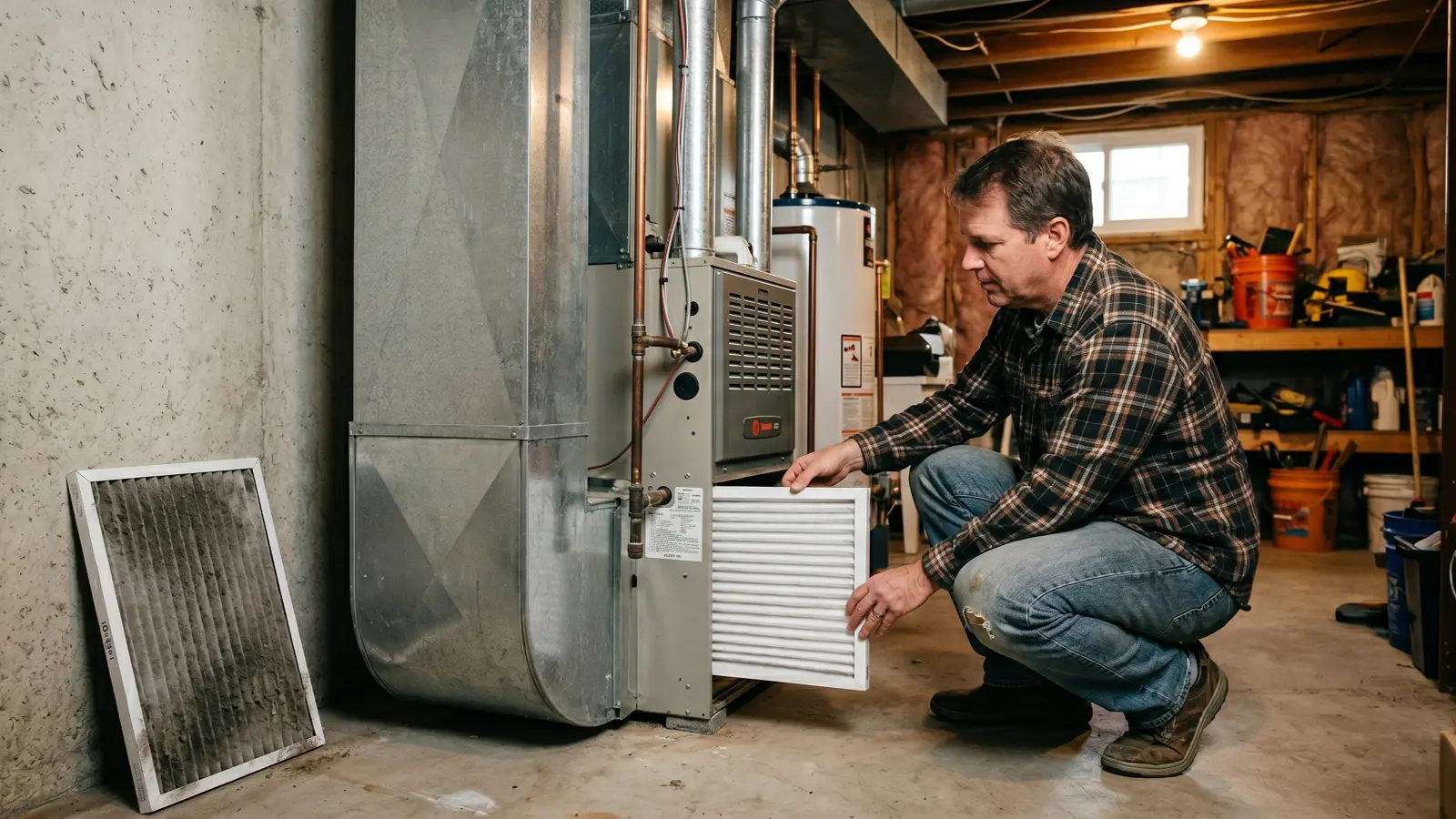
HEPA filtration and regular HVAC maintenance carry more weight against Aspergillus than against most other mold types. The actions below are ranked roughly by impact, with HVAC-related steps at the top because HVAC contamination is both the hardest to detect and the fastest to spread spores throughout an entire home.
| Prevention action | Frequency | Why it works |
|---|---|---|
| Keep indoor humidity below 50% RH | Monitor continuously | Limits growth for moisture-dependent species; EPA target for mold prevention |
| Change HVAC filters (MERV 11 or higher) | Every 1–3 months | Captures spores before they settle on duct surfaces |
| Schedule professional HVAC cleaning | Every 3–5 years, or after water events | Removes accumulated organic debris from coils and ducts |
| Fix plumbing leaks within 24–48 hours | As they occur | Prevents sustained moisture that supports aggressive species like A. fumigatus |
| Use HEPA vacuum for routine cleaning | Weekly in high-dust areas | Removes settled dust that supports dry-tolerant species |
| Vent bathroom and kitchen exhaust fans outside | Inspect annually | Prevents moisture from accumulating in attic and wall cavities |
| Store organic materials (grains, nuts, potted soil) in sealed containers | Ongoing | Eliminates common Aspergillus food sources indoors |
| Inspect and re-caulk windows and door frames | Annually | Removes intermittent moisture points where A. niger colonizes |
The humidity and mold relationship that drives Aspergillus risk includes dehumidifier sizing by square footage, room-by-room RH targets, and seasonal moisture strategy.
Because Aspergillus includes both moisture-dependent and dust-tolerant species, effective prevention requires addressing both vectors rather than humidity alone.
The complete room-by-room prevention schedule with action frequencies and rationale across all mold types is under mold prevention.
Frequently asked questions
Is Aspergillus mold dangerous?
Yes, for people with weakened immune systems, asthma, or pre-existing lung disease. Healthy adults typically breathe Aspergillus spores daily without getting sick. For high-risk individuals, the CDC identifies A. fumigatus as the most clinically significant species, capable of causing invasive aspergillosis, a life-threatening infection.
What does Aspergillus mold look like?
Aspergillus typically starts as fuzzy white or gray growth, then shifts color as the colony matures. Depending on species, it becomes green, yellow, brown, or black. A. niger produces black spots. A. fumigatus appears blue-green to gray. The powdery or velvety texture distinguishes it from slimier molds like Stachybotrys. Lab testing is the only way to confirm species.
Can Aspergillus mold grow without visible water damage?
Yes. Several Aspergillus species can colonize settled dust, dry insulation, and low-moisture building materials where other molds cannot survive. This is what makes it one of the most common indoor mold genera even in homes without visible water damage.
How do I get rid of Aspergillus mold safely?
For small non-porous surface patches under 10 square feet, proper PPE (N95 respirator, nitrile gloves, goggles) and EPA-registered antimicrobial cleaning followed by HEPA vacuuming is appropriate after fixing the moisture source. For anything involving porous materials, HVAC systems, areas larger than 10 square feet, or households with immunocompromised members, professional remediation per the IICRC S520 standard is the appropriate course.
Does Aspergillus mold produce mycotoxins?
Yes. A. flavus produces aflatoxin B1, a Group 1 carcinogen. A. versicolor produces sterigmatocystin, also hepatotoxic and potentially carcinogenic. A. fumigatus produces gliotoxin, which has immunosuppressive properties. A. niger produces ochratoxin A, linked to kidney damage. Not every colony of these species actively produces toxins, but the risk exists when these species are identified.
How long does Aspergillus mold remediation take?
Small surface jobs typically take one to three days including drying. Medium jobs involving porous material removal run three to five days. Large multi-room or HVAC jobs can take five to ten days or longer when clearance testing requires a waiting period between cleaning and air sample collection. Lab results for clearance testing typically take 24 to 72 hours.
Can I stay home during Aspergillus mold remediation?
It depends on job size and household health profile. For small contained jobs, healthy adults can typically remain in unaffected areas of the home. HVAC-involved jobs or those requiring containment of central living spaces make temporary relocation advisable. Immunocompromised household members, infants, and people with asthma should leave the home for the duration of active remediation.
- NIH/PubMed: Aspergillus fumigatus and aspergillosis
- CDC: Basic Facts About Mold
- CDC: Aspergillosis
- EPA: Mold Cleanup in Your Home
- IICRC S520 Standard for Professional Mold Remediation
- NIOSH: Dampness and Mold in Buildings
- Medical Mycology: Managing building-related Aspergillus exposure
- Mayo Clinic: Aspergillosis
Sam Hickerson is the founder of RestoreAdvisor and writes consumer guides on mold remediation, water damage restoration, inspection, testing, and home recovery. His work focuses on helping homeowners understand costs, risks, and when to call a professional. He draws on guidance from the EPA, CDC, IICRC, and other authoritative sources to make complex home issues easier to navigate.