
Mold Remediation and Water Damage Restoration: What It Costs and How It Works
Dealing with mold or water damage? Talk to a specialist

Our services
RestoreAdvisor covers a growing list of home damage and restoration categories, from mold to water damage and beyond.
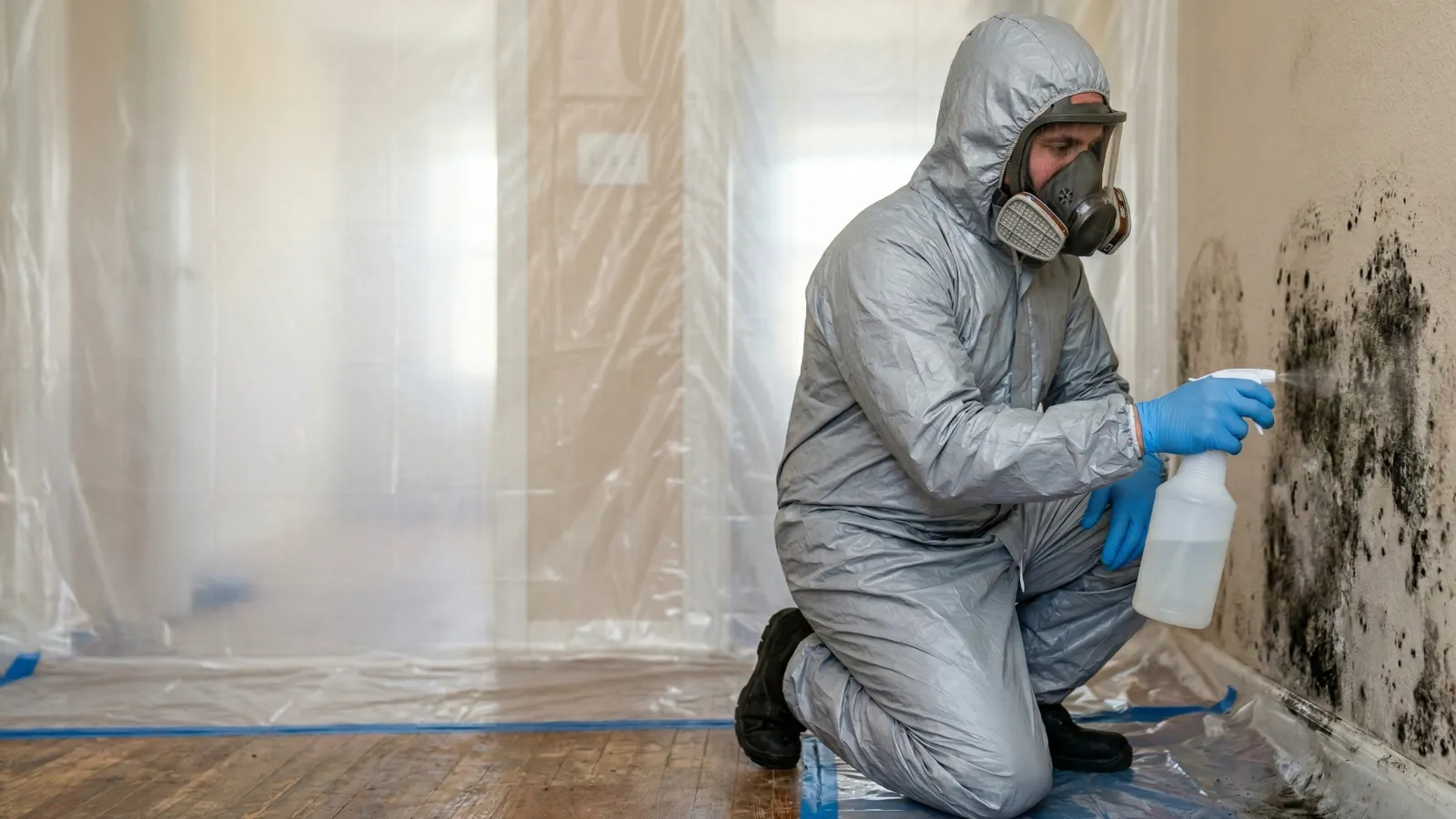
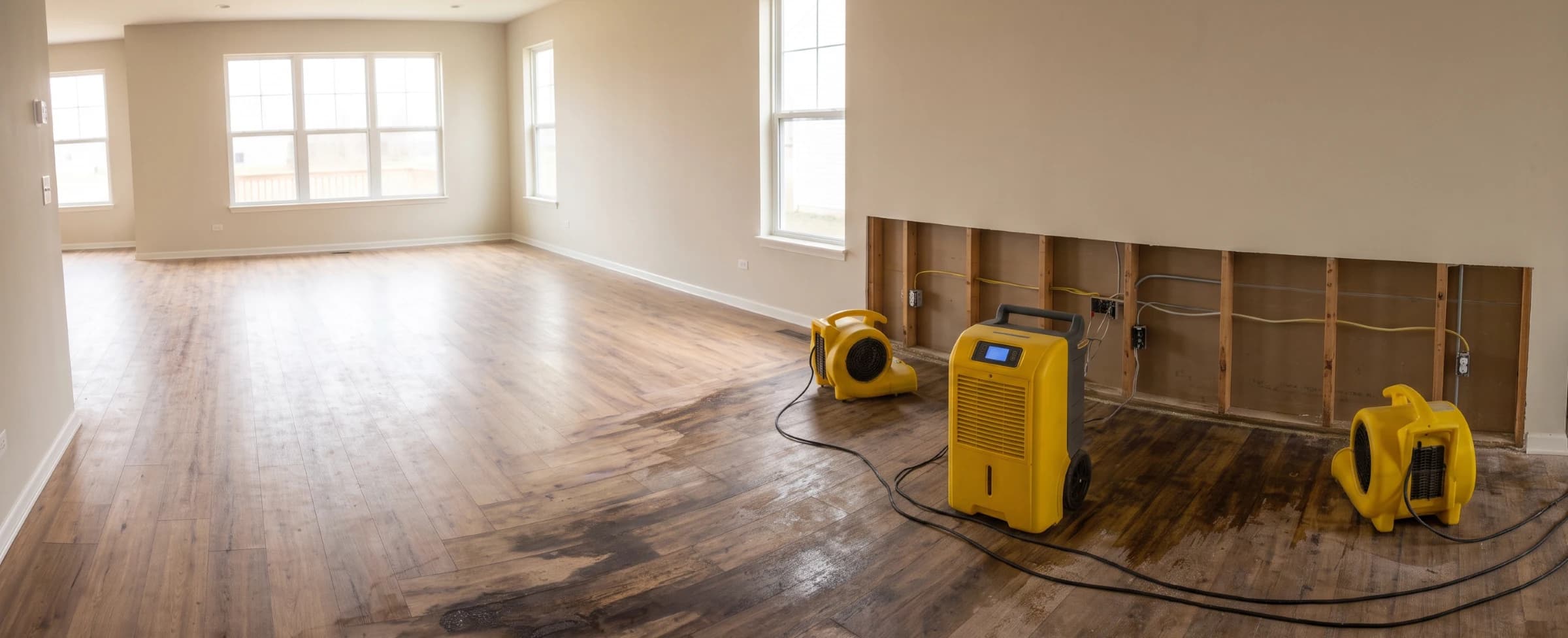
Understanding home damage and restoration
Why professional restoration matters
Mold remediation removes harmful mold growth and restores healthy indoor air quality. Water damage restoration extracts standing water and dries affected materials before mold has a chance to start. Every restoration category involves inspection, hands-on remediation, and prevention steps that protect homeowners and their property.
Frequently asked questions
How much does mold remediation cost?
Most homeowners pay $1,500 to $6,000 for professional mold remediation, with a national average around $2,400. Cost depends on the size of the affected area and whether structural materials need to be removed. See mold remediation cost.
What is the mold remediation process?
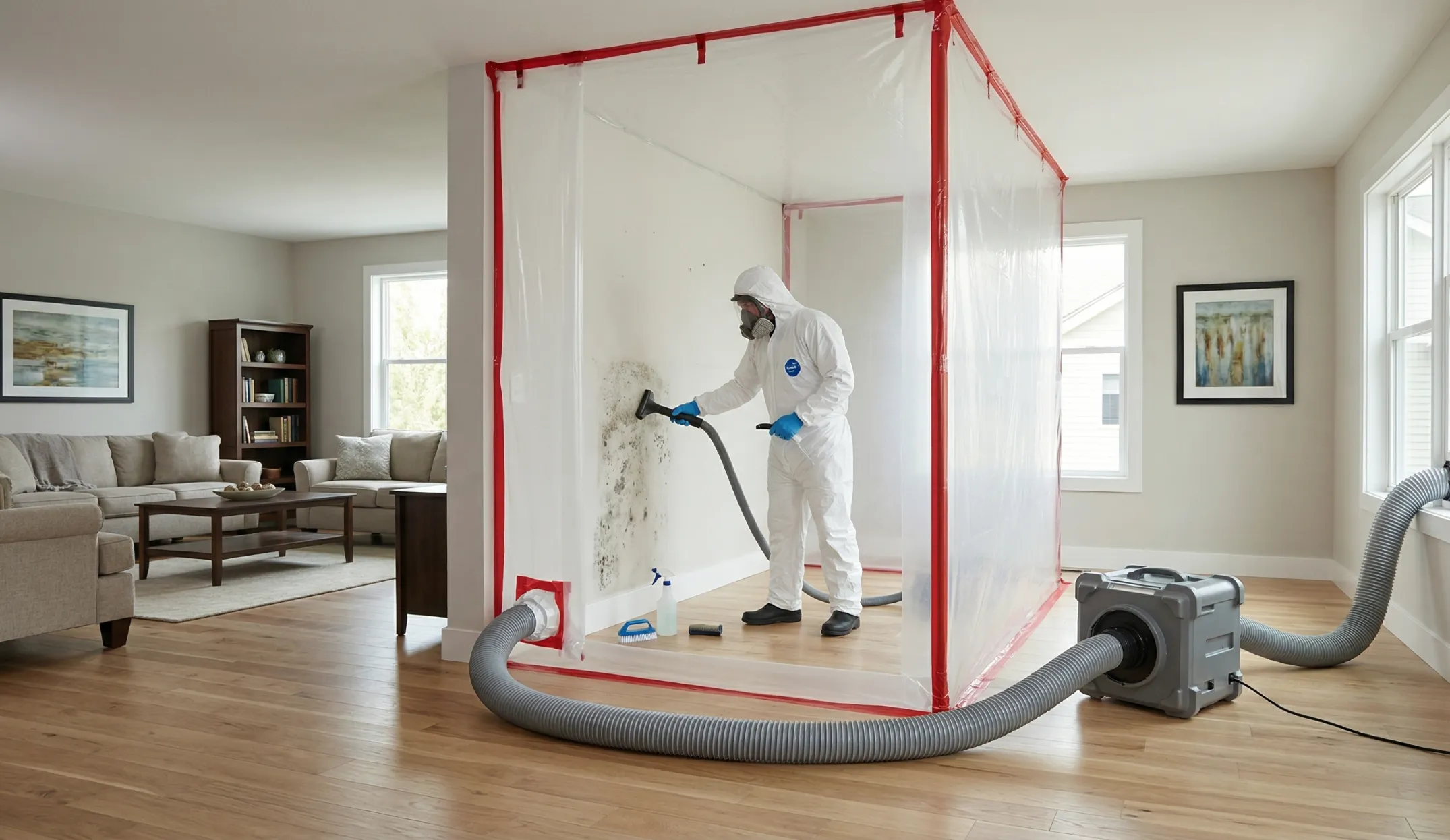
Professional mold remediation follows four steps: inspection to locate the moisture source, containment using plastic barriers and negative air pressure, physical removal of affected materials with HEPA filtration, and antimicrobial treatment to prevent regrowth. Most jobs take one to five days depending on the size of the infestation. See the mold remediation process.
How do I know if I have black mold?
True black mold (Stachybotrys chartarum) appears dark greenish-black with a slimy texture and requires sustained moisture to grow. Not all dark-colored mold is Stachybotrys, and only laboratory testing confirms the species. Learn about black mold removal.
Is mold dangerous to my health?
Mold exposure can cause respiratory symptoms, allergic reactions, and worsening asthma, particularly in children, older adults, and people with compromised immune systems. For most healthy adults, brief contact with small amounts of mold causes mild symptoms at most. See health risks by mold type.
What are the signs of mold in a home?
The most common signs are visible dark spots or patches on walls, ceilings, or grout, a persistent musty odor, peeling paint or bubbling drywall, and allergy-like symptoms that improve when you leave the home. Mold can grow behind walls for months before any surface evidence appears. See the signs of mold.
Do I need professional mold remediation, or can I handle it myself?
The EPA recommends professional remediation for any mold growth exceeding 10 square feet, mold on porous materials like drywall or insulation, mold near an HVAC system, or when household members have asthma or immune vulnerabilities. Small surface patches on hard, non-porous materials can often be cleaned safely without a contractor. See when professional remediation is required.
Does homeowners insurance cover mold remediation?
Insurance typically covers mold remediation when it resulted from a sudden, covered peril such as a burst pipe or storm damage. Mold from gradual moisture problems, long-term humidity, or deferred maintenance is generally excluded, and most policies that do cover mold cap the payout between $1,000 and $10,000. See insurance coverage details.
How much does water damage restoration cost?
Water damage restoration typically costs between $1,500 and $7,000, with a national average between $3,000 and $4,000. Cost depends on the water category, damage class, and how many rooms are affected. See water damage restoration cost.
What is the water damage restoration process?
Professional water damage restoration follows an eight-phase process defined by IICRC S500: inspection and classification, water extraction, drying and dehumidification, cleaning and sanitizing, and repairs. Structural drying alone typically takes three to five days, with total completion time depending on the damage class. See water damage restoration process.
How do I choose a water damage restoration company?
Look for IICRC certification (WRT at minimum), verified insurance and licensing, and a clear written estimate before signing a contract. Avoid companies pressuring same-day signatures or demanding cash payment upfront. See how to choose a company.
Does homeowners insurance cover water damage restoration?
Usually, if the cause was sudden and accidental, such as a burst pipe or a failed appliance. Standard homeowners policies typically exclude gradual leaks, poor maintenance, and flooding from an outside water source, which requires a separate NFIP or private flood policy. See insurance coverage details.
How long does water damage restoration take?
Structural drying typically takes three to five days once professional equipment is running, though total project time depends on the damage class, ranging from about three days for a Class 1 loss to three weeks or more for a Class 4 loss involving dense materials like concrete or hardwood. See the timeline by damage class.
What's the difference between water damage categories and classes?
Category describes how contaminated the water is: clean, gray, or black. Class describes how much of the structure absorbed water and how much drying it will take, ranging from Class 1 to Class 4. A restoration company needs both numbers to scope a job correctly. See categories and classes explained.
Dealing with mold or water damage? Talk to a specialist
Speak with a mold remediation or water damage restoration expert, get guidance on next steps, and understand your options before the problem spreads.
Call (844) 685-4037