
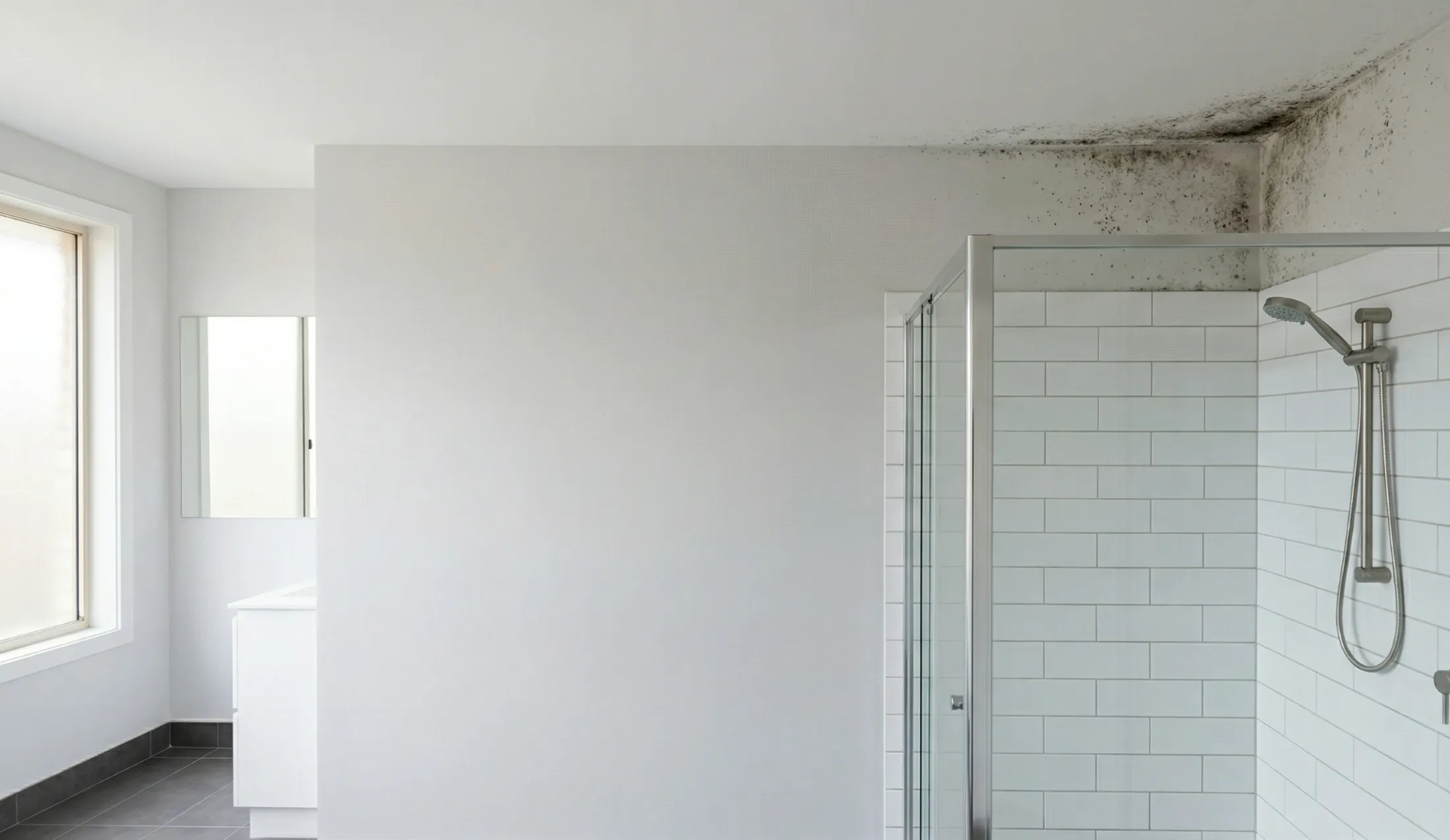

Yes, mold can be dangerous, but the level of risk depends on the type of mold, the duration of exposure, and who is being exposed. For healthy adults, brief contact with small amounts of mold typically causes mild symptoms at most. For others, including young children, older adults, pregnant women, and people with asthma, allergies, or weakened immune systems, even moderate mold exposure can trigger serious health consequences.
What follows covers every documented health risk of mold exposure, which populations face the greatest danger, how mold illness is diagnosed and treated, and when it is time to act, how to choose a mold remediation company.
Key insights
- Mold harms the body through three mechanisms: allergenic reactions, direct irritant effects, and mycotoxin exposure. Any of these can occur without touching the mold directly.
- The CDC links indoor mold to an estimated 4.6 million asthma cases in the U.S. annually. Studies show removing mold reduces asthma symptoms by 25%–45%.
- Black mold is not inherently more dangerous than other molds. According to the CDC and Harvard Medical School, color does not indicate toxicity. Only lab analysis identifies species definitively.
- The EPA, CDC, and NIOSH all recommend addressing any visible mold regardless of quantity. As a practical threshold, growth over 10 square feet warrants professional remediation.
- Long-term mold exposure carries a meaningfully different risk profile than short-term exposure, including neurological effects and chronic inflammation that can persist after remediation.
- Immunocompromised individuals, young children, older adults, and people with asthma face the greatest risk and should be removed from affected areas before any cleanup begins.
What mold actually does to your body
Mold harms the body through three primary mechanisms: allergenic reactions, direct irritant effects, and mycotoxin exposure. Any of these can occur without you ever touching the mold directly. Mold reproduces by releasing microscopic spores into the air. These spores are present almost everywhere, indoors and out, and most people inhale them daily without any ill effect. The problem begins when mold colonizes an indoor space, concentrating airborne spore counts far beyond what you would encounter outside.
 Mycotoxin effects, the third mechanism shown here, only occur when moisture and temperature conditions trigger production, unlike the other two which respond to spore count alone.
Once elevated spore levels are present, mold can affect the body through three primary mechanisms:
- Allergenic reactions: Mold proteins trigger the immune system the same way pollen does. The EPA notes that molds produce allergens, irritants, and in some cases potentially toxic substances called mycotoxins. Allergic reactions can be immediate or delayed.
- Irritant effects: Even people who are not allergic to mold can experience irritation of the eyes, skin, nose, throat, and lungs after exposure. This is a direct irritant effect, separate from an allergic response, and can affect anyone.
- Mycotoxin effects: Certain mold species produce mycotoxins, chemical compounds that can cause more serious systemic harm. These are the compounds behind what is often called mold toxicity or toxic mold syndrome.
The three categories of mold: allergenic, toxigenic, and pathogenic
Understanding how mold is classified helps explain why different people react so differently. Indoor molds generally fall into three categories, and some species span more than one.
- Allergenic molds trigger immune responses in people with mold allergies or sensitivities. More than 150 allergenic mold species have been identified. Common examples include Alternaria, Cladosporium, and some Aspergillus species. The reaction is driven by the immune system, not the mold toxin.
- Toxigenic molds produce mycotoxins under certain environmental conditions. Exposure can cause chemical and inflammatory reactions in the body that go beyond allergy. Stachybotrys chartarum (black mold) and certain Penicillium and Aspergillus species fall into this category.
- Pathogenic molds can cause infection, not just irritation or allergy. They pose the greatest threat to immunocompromised individuals, in whom spores can establish active fungal infections in the lungs or other tissues.
Common symptoms of mold exposure
Symptoms range from mild nasal and eye irritation in healthy adults to serious respiratory and neurological effects in vulnerable populations. The CDC links mold exposure to an estimated 4.6 million asthma cases in the U.S. annually, and studies show removing mold reduces asthma symptoms by 25%–45%.
 Symptoms like this often mirror seasonal allergies, which is part of why the CDC's estimated 4.6 million mold linked asthma cases likely undercounts the true total.
Mild cases look like seasonal allergies, often never traced back to mold. Prolonged or high-level exposure can produce effects that are harder to connect to a cause, including fatigue, brain fog, and mood changes documented in a 19-study review.
| Symptom | Who it typically affects |
|---|---|
| Nasal congestion, runny nose | Anyone; worse in people with allergies |
| Sneezing, coughing, wheezing | Anyone; more severe in asthmatics |
| Red, itchy, or watering eyes | Anyone; more severe in mold-sensitive individuals |
| Skin rash or irritation | Direct contact cases; people with sensitive skin |
| Sore throat | Anyone with moderate-to-high exposure |
| Headache and fatigue | Common with ongoing indoor exposure |
| Shortness of breath | People with asthma, COPD, or lung disease |
| Brain fog, memory difficulty | Associated with extended or high-level exposure |
| Depression, anxiety, mood changes | Associated with prolonged exposure; documented in 19-study review |
Short-term vs. long-term exposure: why the difference matters
Short-term mold exposure typically causes symptoms that resolve once the source is removed. Long-term or high-dose exposure carries a meaningfully different risk profile, including neurological effects and chronic inflammation that can persist even after remediation. NIEHS research links extended mold exposure to short-term memory loss, dizziness, blurred vision, and a broader cluster of neurological symptoms sometimes described as brain fog.
A review of 19 studies published in Environmental Health Perspectives found that prolonged mold exposure was associated with higher rates of depression, anxiety, and stress in both adults and children. Separate research suggests that chronic indoor mold exposure elevates C-reactive protein, a measurable marker of systemic inflammation.
A newly discovered patch in a bathroom represents a different level of risk than six months of unknowing exposure to mold growing inside a wall cavity or in HVAC ductwork. Duration and concentration are both factors in how serious the health consequences are. The longer exposure continues, the more difficult symptoms can be to reverse after the mold is removed. Situations involving water damage carry particular urgency, since mold can begin colonizing within 24–48 hours of saturation.
More serious conditions linked to mold exposure
The most serious conditions linked to mold exposure are hypersensitivity pneumonitis, invasive aspergillosis, and sick building syndrome, each requiring medical attention beyond standard allergy treatment.
 Chest tightness that clears up away from the building is one of the defining signs of sick building syndrome rather than a standalone respiratory illness.
Hypersensitivity pneumonitis
Hypersensitivity pneumonitis is a lung inflammation condition caused by repeated exposure to mold spores or other organic particles. Unlike a standard allergic response, it involves the deeper lung tissue and can cause fever, chills, muscle aches, and cough in addition to respiratory symptoms. Repeated exposures can lead to permanent lung scarring if not caught early. It most commonly affects people with heavy occupational exposure, such as farm workers handling moldy hay, but residential cases following water damage have been documented.
Invasive aspergillosis
Aspergillus is one of the most common mold genera found in homes and hospitals. For healthy individuals, inhaling Aspergillus spores usually produces no reaction. In immunocompromised patients, however, the spores can establish a serious infection in lung tissue called invasive aspergillosis. This condition is a recognized cause of illness and death in people with compromised immune systems, including those undergoing chemotherapy, organ transplant recipients, and people with HIV/AIDS.
Sick building syndrome
Sick building syndrome (SBS) refers to a cluster of symptoms that building occupants experience while inside a specific structure, which improve after leaving. Symptoms include headache, fatigue, difficulty concentrating, eye irritation, and respiratory complaints. Mold is one of the recognized contributors to sick building syndrome, along with poor ventilation, chemical off-gassing, and other air quality factors. If multiple people in the same building experience similar symptoms that clear up away from the building, indoor mold is worth investigating as a cause.
Is black mold more dangerous than other molds?
This is one of the most common questions homeowners ask after discovering mold, and the answer is counterintuitive. According to both the CDC and researchers at Harvard Medical School, black mold (technically Stachybotrys chartarum) is not inherently more dangerous than other mold types. The compound responsible for its most serious effects is the mycotoxin it can produce under certain conditions, not the color of the mold itself. Many different molds appear black, and most of them are not Stachybotrys.
That said, Stachybotrys and several other species are classified as toxigenic molds because of their capacity to produce mycotoxins under the right moisture and temperature conditions. The presence of any toxigenic mold warrants prompt remediation, regardless of its color. Confirmed black mold removal follows stricter protocols than standard remediation, including two-stage containment and independent clearance testing.
The most concerning mold types found in homes
The most dangerous mold types found in homes include Stachybotrys chartarum, Aspergillus, Penicillium, Fusarium, Cladosporium, and Alternaria, each posing different risks depending on their classification as allergenic, toxigenic, or pathogenic. Not all mold is equally dangerous, and classification depends on how a species interacts with the human body. Allergenic molds trigger immune responses such as sneezing, congestion, and asthma flares. Toxigenic molds produce mycotoxins, chemical compounds that can cause more serious effects with sustained exposure. Pathogenic molds are capable of causing active infections, particularly in people with weakened immune systems.
 Color alone can't sort these six into allergenic, toxigenic, or pathogenic categories; lab analysis is the only way to confirm which is present.
The table below maps each species to its classification and the primary health concern it poses. Classification matters because it determines the type of response your body has and the level of risk for different household members.
| Mold species | Classification | Primary health concern |
|---|---|---|
| Stachybotrys chartarum | Toxigenic | Mycotoxin production, respiratory effects, immune disruption |
| Aspergillus | Allergenic / Pathogenic | Allergic reactions; invasive aspergillosis in immunocompromised individuals |
| Penicillium | Allergenic / Toxigenic | Airway inflammation, mycotoxin production |
| Cladosporium | Allergenic | Respiratory irritation, asthma triggering |
| Alternaria | Allergenic | Upper respiratory symptoms; strong asthma association in children |
| Fusarium | Toxigenic / Pathogenic | Mycotoxin production, skin infections, systemic infections |
Who is most at risk from mold exposure?
Health outcomes from mold exposure depend heavily on individual susceptibility. The same air quality can produce no symptoms in one person and a serious respiratory event in another. The groups that consistently face the greatest danger are listed below.
 Children inhale more spores per pound of body weight than adults, part of why nearly 11% of kids in mold affected homes have asthma versus 7% overall.
Young children
Children breathe more air relative to body size than adults, resulting in higher spore inhalation per pound of body weight. Their immune and respiratory systems are still developing, reducing their capacity to handle elevated mold exposure. Research examining more than 40,000 children found that nearly 11% of those living in mold-affected homes had asthma, compared to 7% of children in homes without mold. For children with pre-existing respiratory conditions, the risk is compounded further.
Older adults
Age-related immune decline makes it harder for seniors to fight off mold-related infections. Many older adults also carry pre-existing conditions such as COPD, diabetes, or heart disease that worsen the impact. Respiratory complications in this group can escalate to pneumonia or bronchitis more readily than in younger, healthier individuals. Emerging research also explores associations between prolonged mold exposure and cognitive decline, which is of particular concern in the elderly.
People with asthma
The 2004 Institute of Medicine report identified sufficient evidence to connect indoor mold exposure to asthma symptom worsening in people who already have the condition. WHO guidelines published in 2009 reinforced these findings. Mold is both an asthma trigger and, with long-term exposure, a potential driver of asthma development in children. If you or a household member has asthma and the condition has been worsening without explanation, mold is worth investigating. A professional mold inspection can confirm whether the home environment is driving the worsening symptoms.
Immunocompromised individuals
People undergoing chemotherapy, those with HIV/AIDS, and organ transplant recipients face serious risk from even moderate mold exposure. In immunocompromised patients, mold spores can establish active infections in lung tissue, causing invasive aspergillosis and other systemic fungal infections that are difficult to treat. Any immunocompromised person in a home with confirmed mold should be relocated until professional remediation is complete.
Pregnant women
Mycotoxin exposure during pregnancy has been documented in research literature, with potential implications for fetal development. Pregnant women experiencing known or suspected mold exposure should consult a physician and pursue professional assessment of the home without delay.
Pets
Pets are often the first in a household to show symptoms because they spend more time at floor level, near baseboards, and in basement areas where mold concentrates. Dogs and cats can develop the same respiratory and allergic symptoms as humans. In rare severe cases, toxic mold exposure has been documented as a cause of pulmonary hemorrhage in cats. If your pet is showing unexplained respiratory symptoms, lethargy, or neurological signs, mold in the home is worth investigating.
What mycotoxins do to the body
Mycotoxins are chemical compounds produced by certain mold species under specific environmental conditions. The NIEHS classifies them as capable of causing severe illness when ingested, and evidence supports serious effects from inhalation as well. Their documented effects include:
- Respiratory damage: Mycotoxins from Aspergillus species have been shown to impair respiratory cilia function, reducing the airway's ability to clear inhaled particles and increasing susceptibility to further infection.
- Liver toxicity: Aflatoxin, produced by Aspergillus flavus, is listed by the National Toxicology Program as a confirmed human carcinogen, primarily linked to liver cancer. Dietary exposure is the main documented route; residential inhalation risks are lower but documented.
- Immune disruption: Long-term inhalation of mycotoxins may promote chronic inflammation and immune dysregulation, including exacerbation of autoimmune conditions.
- Neurological effects: NIEHS research associates extended mycotoxin exposure with cognitive impairment, memory loss, dizziness, and the broader symptom cluster known as brain fog.
- Gastrointestinal effects: Mycotoxins ingested or inhaled at high levels can damage the intestinal lining, impair nutrient absorption, and cause nausea, cramping, or diarrhea.
Not all molds produce mycotoxins at all times. Production depends on environmental conditions including moisture level, temperature, and food source. However, if a toxigenic species is confirmed in your home, conditions should be treated as potentially favorable for mycotoxin production until remediation is complete.
Mold and asthma: a well-established connection
The evidence linking indoor mold exposure to asthma is among the most consistent in environmental health research. The 2004 Institute of Medicine report found sufficient evidence connecting indoor mold to upper respiratory symptoms, cough, and wheeze in otherwise healthy people, and to worsened asthma in those who already have the condition. WHO guidelines published in 2009 reinforced these conclusions.
For children, the implications are significant. NIEHS-supported research following Hurricane Katrina documented a sharp increase in mold-triggered asthma cases among Louisiana children after widespread home flooding. The connection between damp housing, mold, and asthma development is now consistent enough that public health researchers treat moisture and mold control as a primary asthma prevention strategy.
Mold is dangerous to your home, not just your health
Beyond the health risks, active mold growth causes progressive structural damage to a home. Mold digests organic materials to survive, which means it is literally breaking down whatever it grows on. Drywall, wood framing, subfloor, ceiling tiles, and insulation are all vulnerable. Left unchecked, mold can compromise structural integrity, particularly in areas like floor joists, wall studs, and roof decking where moisture accumulates after a leak or flood.
The combination of health risk and property damage is why the EPA and NIOSH consistently recommend that any signs of mold in your home be addressed promptly, regardless of species. The longer it grows, the more expensive remediation becomes and the more difficult it is to restore affected materials. Active mold growth can begin within 24–48 hours of a water event, which is why prompt drying is as important as the remediation itself.
How much mold exposure is actually dangerous?
Any visible indoor mold growth should be addressed regardless of quantity. The CDC, EPA, and NIOSH all take this position, but as a practical guide, growth under 10 square feet may be appropriate for DIY cleanup while anything larger requires professional assessment. This reflects the fundamental challenge of setting exposure thresholds: individual sensitivity varies enough that a concentration harmless to one person can trigger a serious reaction in another.
 The 10 square foot line marking Zone 1 is a practical DIY threshold, not a safety cutoff; the CDC and EPA recommend addressing any visible mold regardless of size.
The table below outlines the recommended response by size of visible growth. Size is the clearest practical guide, but location matters too: mold inside HVAC systems or structural materials requires professional response regardless of how much is visible.
| Mold area | Risk level | Recommended response |
|---|---|---|
| Under 10 sq. ft. (approx. 2 ft. x 5 ft.) | Low to moderate | DIY cleanup may be appropriate with proper PPE; fix moisture source first |
| 10 sq. ft. to 100 sq. ft. | Moderate to high | Professional assessment recommended; DIY risks spreading spores |
| Over 100 sq. ft. | High | Professional remediation required; remove sensitive occupants |
| Extensive or HVAC-involved growth | Severe | Immediate professional remediation; consider temporary relocation |
Hidden mold behind walls, inside crawl spaces, or within HVAC ductwork can represent significant exposure even without any visible surface growth. If symptoms are present but no mold is visible, a professional mold inspection is the appropriate next step.
How mold exposure is diagnosed
Mold exposure is diagnosed through a combination of clinical and environmental mold testing, pulmonary function tests, and imaging, though diagnosis is often complicated by symptom overlap with common conditions like allergies, asthma, and anxiety. Many physicians may not immediately connect symptoms to environmental mold, particularly when the home exposure is not obvious. Being proactive about sharing your history is important.
When you see a doctor for suspected mold exposure, tell them about any recent water damage, flooding, musty odors in the home, or worsening of symptoms indoors. This context shapes the diagnostic approach. Tests a physician may use include:
- Skin prick test: A small amount of mold allergen is introduced to the skin surface using a lancet. An allergic reaction, typically a raised wheal, typically appears within 15 minutes. This test is considered more reliable and faster than blood testing for mold allergies.
- Blood (IgE) test: Measures antibodies in the blood that are associated with allergic responses to specific molds. Less sensitive than skin testing but useful when skin testing is not possible.
- Pulmonary function tests: Used to evaluate lung capacity and airflow, particularly in patients with suspected asthma or hypersensitivity pneumonitis related to mold exposure.
- Chest X-ray or CT scan: May be ordered if invasive fungal infection or hypersensitivity pneumonitis is suspected, to evaluate lung tissue.
A note on urine mycotoxin testing
Urine mycotoxin testing is sometimes marketed by alternative health providers, but the CDC does not recommend it. Results can be misleading because mycotoxins from common dietary sources like coffee, grains, and nuts also appear in urine, making it impossible to attribute findings specifically to indoor mold exposure.
How mold exposure is treated
Treatment for mold-related illness depends on the type and severity of the reaction. The first and most important step in every case is removing the exposure source. Symptom management while the mold remains in the home is limited in effectiveness.
For allergic reactions and irritant responses, treatment options typically include:
- Nasal corticosteroid sprays: Reduce inflammation in the nasal passages and are often the first-line treatment for mold-related nasal symptoms.
- Antihistamines: Help control sneezing, itching, runny nose, and watery eyes. Available over the counter or by prescription depending on severity.
- Decongestants: Provide short-term relief of nasal congestion associated with mold exposure.
- Bronchodilators and inhaled corticosteroids: Used to manage mold-triggered asthma symptoms and reduce airway inflammation.
- Allergy immunotherapy (allergy shots): May be appropriate for people with severe, year-round mold allergy symptoms. Involves gradual exposure to increasing amounts of mold allergen to reduce the immune response over time.
For more serious conditions such as invasive aspergillosis or hypersensitivity pneumonitis, treatment is managed by a specialist and typically involves antifungal medications or corticosteroids, depending on the condition. Anyone experiencing severe respiratory symptoms, signs of lung infection, or symptoms that do not respond to standard allergy treatment should be evaluated by a pulmonologist or allergist.
When to see a doctor
Most mold-related symptoms are manageable and resolve once the exposure source is removed. However, seek medical attention promptly if you or any household member experiences:
- Fever combined with respiratory symptoms following known or suspected mold exposure
- Shortness of breath, chest tightness, or wheezing that does not resolve after leaving the affected area
- Asthma attacks that are increasing in frequency or severity without another explanation
- Any respiratory symptoms in an immunocompromised person following water damage in the home
- Persistent neurological symptoms such as confusion, memory loss, or coordination problems without another identified cause
- Pet symptoms including unexplained respiratory distress, lethargy, or neurological signs that appeared alongside other household members experiencing symptoms
What to do if you find mold in your home
If you find mold in your home, the immediate priorities are stopping the moisture source, assessing the size and location, protecting vulnerable occupants, and contacting a certified professional for anything beyond small surface patches. Finding mold does not automatically mean everyone in the household is in immediate danger, but it does mean action is required. The longer mold is allowed to grow, the greater the cumulative health exposure and the higher the eventual remediation cost. If you are weighing whether professional help is needed, mold remediation covers scope, cost, and how to choose a contractor.
 Negative air machines like this one prevent spores disturbed during removal from spreading to the rest of the home while containment is in place.
Step 1: Identify and stop the moisture source. Mold cannot survive or regrow without moisture. Find the water intrusion, leak, or humidity problem driving the growth and address it before any cleanup begins. Cleaning mold without fixing the source will result in rapid regrowth.
Step 2: Assess the size and location. A remediation checklist can help you document the affected area systematically. Areas larger than 10 square feet, mold involving HVAC systems, or mold inside wall cavities require professional remediation. Attempting DIY cleanup on larger infestations risks releasing and distributing spores throughout the home.
Step 3: Protect vulnerable occupants. Remove children, elderly family members, pets, and anyone with respiratory conditions or compromised immunity from the affected area before any cleanup or disturbance begins.
Step 4: Contact a certified professional for anything beyond small-scale surface mold. Look for technicians certified by the Institute of Inspection, Cleaning and Restoration Certification (IICRC) or the American Council for Accredited Certification (ACAC). The mold remediation certifications that matter are those requiring verified field experience and a proctored exam, not just course completion. Remediation costs vary by project size, location in the home, and extent of material damage.
Frequently asked questions
Can mold make you seriously ill?
Yes, under certain conditions. For most healthy adults, mold exposure causes respiratory irritation, allergy symptoms, and fatigue. For immunocompromised individuals, young children, older adults, and those with respiratory conditions, mold exposure can cause invasive lung infections, severe asthma episodes, and with prolonged high-level exposure, lasting systemic effects. The risk scales with exposure duration, spore concentration, and individual health status.
How long does it take for mold to make you sick?
There is no fixed timeline. Allergic reactions can begin within minutes in sensitive individuals. Irritant effects may develop over hours to days of repeated contact. Effects associated with mycotoxin exposure tend to accumulate over weeks to months of ongoing exposure in an affected home.
Does mold cause cancer?
Aflatoxin, a mycotoxin produced by certain Aspergillus species, has been listed as a human carcinogen by the National Toxicology Program, with the primary documented concern being liver cancer from dietary exposure. For typical residential indoor mold, cancer is not the primary health concern cited by public health authorities. The main documented risks for household exposure are respiratory, allergenic, and neurological effects.
Can you live in a house with mold?
This depends on the extent and location of the growth and who lives in the home. Small, contained surface mold that is promptly cleaned up after fixing the moisture source poses limited risk to healthy adults. Ongoing, extensive, or hidden mold growth in a home with children, elderly residents, or people with health conditions warrants professional remediation before normal habitation continues. The factors that determine whether professional remediation is required include size, location, material type, and the health status of occupants.
Is mold dangerous if you do not touch it?
Yes. The primary exposure route for most people is inhalation of airborne spores, not skin contact. You do not need to touch mold to be exposed to it. Disturbing mold during cleaning or renovation work can spike airborne spore counts significantly, which is one reason that improper DIY remediation can make the situation worse rather than better.
Can mold cause permanent health damage?
For most people, symptoms from mold exposure resolve once the exposure is removed and any underlying inflammation is treated. In cases of extended high-level exposure, or in immunocompromised individuals who develop invasive fungal infections, more lasting health impacts are possible. Research also suggests that prolonged mycotoxin exposure may cause lingering cognitive effects in some individuals, though more study is needed to fully characterize these outcomes.
What is the difference between mold and mildew?
Mold and mildew are both fungi, but they differ in appearance, penetration depth, and health significance. Mildew is typically powdery, grows flat on surfaces, and is easier to clean. It causes fewer serious health effects. Mold is thicker, often fuzzy or slimy, penetrates porous materials, and includes species capable of producing mycotoxins. If surface discoloration wipes away easily without recurring, it is likely mildew. If growth is recurring, deeply embedded, or accompanied by a persistent musty odor, treat it as mold and respond accordingly. The distinction between mold and mildew comes down to penetration depth, texture, and which species are involved.
Does mold affect pets the same way it affects people?
In most respects, yes. Pets experience allergenic and irritant effects similar to humans, and toxigenic molds pose the same systemic risks. Pets may actually be more vulnerable in practice because they spend more time at floor level where mold concentrates, and smaller animals inhale more spores relative to their body weight. Pets also groom themselves, creating an ingestion pathway for spores deposited on their fur. If your pet is showing unexplained respiratory or neurological symptoms, mold in the home is worth investigating.
How much does mold remediation cost?
Professional mold remediation varies significantly depending on the size of the affected area and the extent of material damage. See our detailed mold remediation cost guide for a full breakdown of price ranges by project type, location, and severity.
How do I prevent mold from coming back, and what humidity level should I maintain?
The CDC recommends keeping indoor humidity between 30%–50% at all times. Above 60%, conditions become increasingly favorable for mold growth. A basic digital hygrometer from a hardware store monitors levels continuously and costs around $15–$30. Most mold recurrence comes down to an unresolved moisture source, so fixing leaks within 24–48 hours and ensuring bathroom and kitchen exhaust fans vent to the exterior are the most important ongoing habits. Effective mold prevention requires addressing ventilation, drainage, and moisture by room rather than relying on humidity monitoring alone.
- U.S. Environmental Protection Agency (EPA) - Mold and Health
- Centers for Disease Control and Prevention (CDC) - Mold
- National Institute of Environmental Health Sciences (NIEHS) - Mold
- National Institute for Occupational Safety and Health (NIOSH) - Mold Resources
- Institute of Medicine. Damp Indoor Spaces and Health. National Academies Press, 2004
- World Health Organization. WHO Guidelines for Indoor Air Quality: Dampness and Mould, 2009
- Harvard Medical School - Mold in the Home (2025)
- Cleveland Clinic - Black Mold
- Mayo Clinic - Mold Allergy (2025)
- A state-of-the-science review of the effect of damp- and mold-affected housing on mental health
- National Toxicology Program - Aflatoxins, Report on Carcinogens, 15th Edition, NIEHS
Sam Hickerson is the founder of RestoreAdvisor and writes consumer guides on mold remediation, water damage restoration, inspection, testing, and home recovery. His work focuses on helping homeowners understand costs, risks, and when to call a professional. He draws on guidance from the EPA, CDC, IICRC, and other authoritative sources to make complex home issues easier to navigate.